
Guide
Tub-to-Shower Conversion Without Replacing Your Bathtub
You don't have to remove your bathtub to get a shower that's easier to step into. A CleanCut modification lowers one section of the existing tub wall and turns the tub into a step-in shower. Here's how that compares with a tear-out, which product suits which home, and when replacement still makes more sense.

How a bathtub becomes a step-in shower
If your bathtub already has a shower head, most of a shower is in place: the water supply, the drain and the waterproof surround. What gets in the way is the height of the tub wall you step over each time.
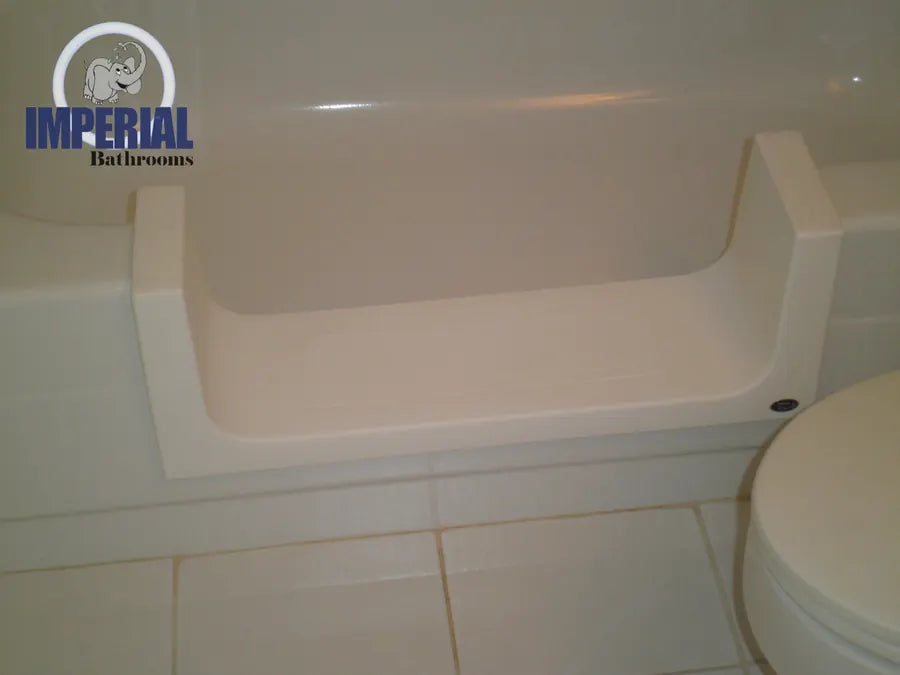
A tub to shower conversion with CleanCut deals with that one obstacle. A section of the tub wall is cut out using a template, then a CleanCut insert is fitted and sealed into the opening. You keep the same tub in the same spot, with a lower place to step in and a skid-resistant step surface molded into the insert.
A typical installation takes a few hours. For a closer look at the cutting and fitting, see the complete guide to bathtub cutouts.


Modifying the tub vs tearing it out
There are two broad ways to convert a bathtub to a shower. One works with the tub you have. The other removes it and builds a new shower in its place. In general terms, they are very different jobs.
| What changes | Modifying the existing tub | Removing the tub for a new shower |
|---|---|---|
| The bathtub | Stays in place | Taken out and hauled away |
| Walls, tile and floor | Left as they are | Often need repair or rebuilding around the new shower |
| Plumbing | Existing drain and fixtures are kept | May need changes to suit the new shower base |
| Length of the job | A few hours for the installation | Usually a longer project, sometimes involving more than one trade |
| Baths afterwards | Still possible with the CleanCut Convertible | Usually no longer possible |
A full tear-out has its place, but it tends to bring more dust, more noise and more days with the bathroom out of action. If the goal is simply an easier shower, keeping the tub and lowering the entry is a much smaller job.
Which CleanCut product suits your situation
The right choice comes down to how tall your tub is, how wide its wall is at the top and lower down, and whether anyone in the house still wants baths.
- A standard built-in tub, used for showers only: the CleanCut Step fits many standard tubs and lowers the wall by about 8 inches. Small, Medium and Large sizes cover different wall widths.
- A deeper soaker tub: the CleanCut Deep Step removes about 10.5 inches, for medium-height tubs where the Step wouldn't lower the entry enough.
- A tall, high-profile tub: the CleanCut Ultra-Low removes about 13.25 inches. The tub must be at least 14.75 inches tall, inside and outside.
- A household that still takes baths: the CleanCut Convertible lowers the entry by about 8 inches and keeps the bath option, as explained below.
Before ordering, compare your measurements with the CleanCut sizing guide. If a number is close to a limit, or your tub has an unusual shape, ask first. An installer can also confirm the fit when they see the tub.
Keeping the bath with the CleanCut Convertible
When you cut out a bathtub for a shower, you normally give up baths. The Step, Deep Step and Ultra-Low all leave a permanent opening, so the tub can't hold a full bath afterwards.
The Convertible is built around a different idea. Its opening is closed by a removable, watertight centre insert that weighs roughly 2 pounds.
- Lift the insert out when you want to step in and shower.
- Put it back in when you want to fill the tub for a bath.
That suits homes where one person needs an easier way in while someone else still enjoys a soak, or where you're planning ahead and aren't ready to give up baths. The Convertible must be properly installed. Its opening is also narrower than the Step's, at 18.75 inches across the top compared with 24 inches, which is worth knowing if width matters to you.
Practical points before you convert
- Glass sliding doors. These come off before the tub wall is cut and are normally replaced with a shower rod and curtain.
- Tub material. Acrylic, fibreglass, steel, porcelain-on-steel and cast iron can all be modified. Professional installation is recommended for cast iron, which is cut with a diamond blade.
- Tub type. Clawfoot tubs can't be modified, and jetted tubs are not recommended. A tub with an existing liner can often be modified with a Double Cut through both layers, ideally by an installer experienced with that method. Garden-style tubs need a review of photos and measurements.
- Who does the work. You can install a DIY kit yourself or have an independent installer handle it. When an installer does the job, their quote can include the product, so there's no need to buy a kit first.
When replacing the tub may still be the better choice
A cutout isn't right for every bathroom. These are general considerations only. An installer or contractor who sees your bathroom can give you a clearer picture.
- The tub is in poor shape. If it's cracked, leaking or badly worn, modifying it may not be worthwhile, and dealing with the tub itself could come first.
- It's a clawfoot tub. Without a conventional wall down to the floor, it can't take a CleanCut insert.
- Someone needs a curbless or roll-in shower. A cutout lowers the step but doesn't remove it. If a person can't step over any edge, or needs to enter the shower in a wheelchair, a different kind of shower may suit them better. Their health professional can help you work out what's needed.
- The whole bathroom is being redone. If walls, floors and fixtures are all being replaced anyway, a new shower may fit naturally into that larger project.
- The tub has jets. Jetted tubs aren't recommended for a CleanCut installation, because water lines may run inside the tub wall. (A tub with a liner is different: it can often be modified with a Double Cut.)
If you're also considering a walk-in tub, see how a bathtub cutout compares with a walk-in tub.
Getting a quote for your conversion
Imperial Bathrooms can connect you with an independent installer experienced with CleanCut products who serves your area. Send a request through the find an installer page, or call 1-855-707-9777 with your postal code. You'll receive a response within 2 business hours, and Imperial Bathrooms confirms service for your address before an installer is arranged.
Prefer to do it yourself? DIY kits ship free across Canada. For more background, read the common questions about tub-to-shower conversions.
Would you rather have it installed?
Imperial Bathrooms can connect you with an independent installer experienced with CleanCut products serving your area. Installers are independent businesses, not Imperial Bathrooms employees. Every request receives a response within 2 business hours.
Common questions
Do I have to replace my bathtub?
No. A CleanCut modification keeps the bathtub you already have. A section of the tub wall is cut out using a template, and a CleanCut insert is fitted and sealed into the opening to create a lower step-in entry, without tearing out the tub or starting a larger renovation.
Can I still take a bath after the modification?
With the CleanCut Convertible, yes. It has a removable watertight insert: take it out for an easier step-in shower, and put it back in when you want to fill the tub for a bath. The Step, Deep Step and Ultra-Low create a permanent step-in opening.
What if my tub has glass sliding doors?
Sliding doors need to be removed before the tub wall is cut. They are normally replaced with a shower rod and curtain.
How is a bathtub cutout different from a walk-in tub?
A walk-in tub is a different bathtub: the existing tub is removed and a new unit with a door is installed. A CleanCut cutout modifies the tub you already have by lowering one section of its wall. Which makes sense depends on your needs, your bathroom and your budget.
Are there bathtubs CleanCut can't be installed on?
Clawfoot tubs can't be modified because they don't have a conventional wall running down to the floor. Jetted tubs aren't recommended, because water lines may run inside the tub wall. A tub with an existing liner can often be modified with a Double Cut, cutting through the liner and then the original tub. Garden-style tubs vary widely, so they need a review of photos and measurements before anything is ordered.
Who actually does the installation?
Installations are done by independent installers experienced with CleanCut products. They run their own businesses; they are not Imperial Bathrooms employees or branches. Imperial Bathrooms supplies CleanCut products across Canada and matches each request with a suitable installer serving that area.
Can CleanCut be installed on a bathtub with an existing liner?
Yes, many bathtubs with an existing liner can be modified using a procedure called a Double Cut. Because both the liner and original bathtub must be cut, we recommend using an independent installer experienced with this type of installation.
More guides
- Bathtub cutouts in Canada: a complete guideHow the modification works and which tubs suit it
- CleanCut comparison and sizing guideMeasure your tub and choose the right model
- How much does a bathtub cutout cost?What a quote includes and what affects the price
- Bathtub cutout vs. walk-in tub vs. shower replacementA fair look at three ways to make bathing easier
- Bathtub modifications for seniorsPlanning a safer, easier bathroom for later years
- Bathroom falls and aging in place: the researchCanadian data on falls, costs and staying at home, with sources
- Service areas across CanadaFind the communities covered in your province
Ready for an easier step into your tub?
Imperial Bathrooms can connect you with an independent installer experienced with CleanCut products. Installers are independent businesses, not Imperial Bathrooms employees. You'll receive a response within 2 business hours.