
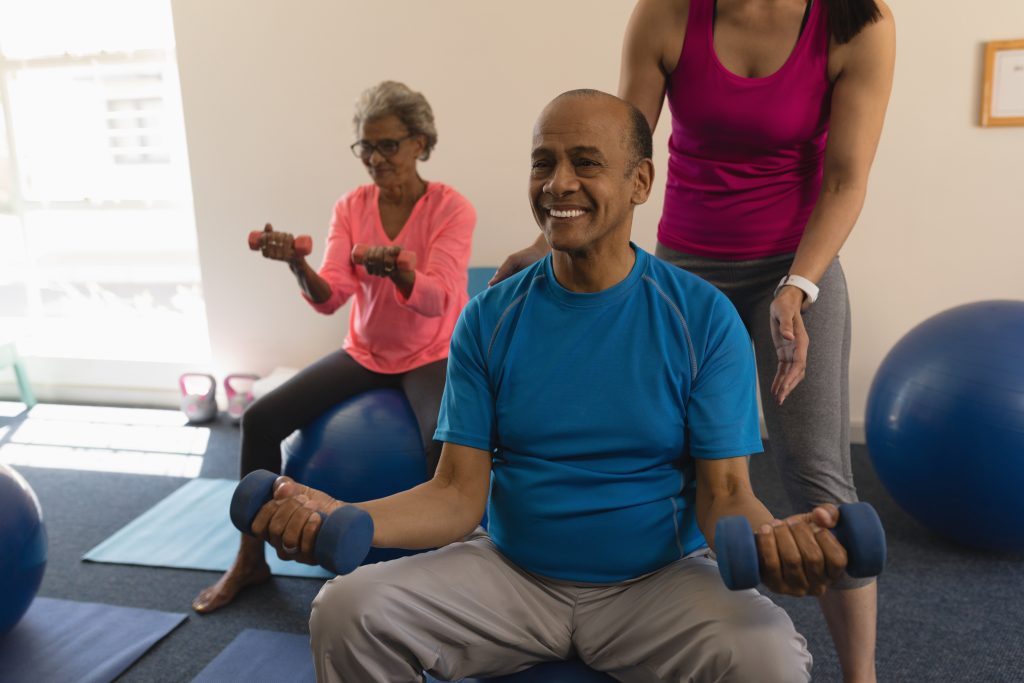
Regular exercise is crucial for seniors. Staying active helps maintain health, boosts mood, and improves quality of life. Yet, statistics show that many older adults do not get the physical activity they need. According to the CDC, about 28% of adults aged 50 and older engage in no physical activity at all. This inactivity can lead to numerous health issues, including heart disease, obesity, and diabetes.
The Importance of Exercise for Seniors
Engaging in regular physical activity helps combat these risks. Exercise enhances heart health, strengthens bones, and increases muscle mass. Moreover, it fosters mental sharpness and emotional well-being. While aging does bring physical changes, such as decreased muscle strength and flexibility, adapting exercise routines can help manage these changes.
Age-Related Physical Changes and Exercise Adaptations
Many seniors worry about exercising due to safety concerns or fear of injury. Understanding how physical changes impact exercise can help alleviate those concerns. Low-impact activities can boost muscle strength, balance, and range of motion without significant risk.
Setting Realistic Goals and Expectations
It’s essential to set achievable goals. This keeps motivation high and fosters a positive mindset. Start small and gradually build up. Focus on personal achievements rather than comparisons to others.
Strength Training for Seniors
Benefits of Strength Training
Strength training is vital for seniors. Increasing muscle mass leads to improved bone density and metabolism. A study published in the Journal of Gerontology found that older adults who participated in strength training increased their muscle strength by over 30%.
Safe and Effective Strength Training Exercises
Here are some strength training exercises suitable for seniors:
For proper form, look for videos demonstrating these exercises.
Adapting Exercises to Individual Needs
Everyone has different fitness levels. Modify exercises based on individual capabilities. For example, use lighter weights or perform an easier variation of an exercise when starting.
Cardiovascular Exercise for Seniors
Importance of Cardio for Seniors
Cardiovascular exercise is essential for heart health. Regular aerobic activity improves blood circulation and endurance, lowering the risk of heart disease. The American Heart Association emphasizes that even moderate-intensity cardio can lead to significant health benefits.
Low-Impact Cardio Options
Seniors should consider low-impact activities:
Check local community centers or gyms for classes specifically designed for seniors.
Monitoring Intensity and Progress
Track your heart rate during exercise. This helps ensure you’re staying within safe intensity levels. Adjust the intensity based on how you feel, and don’t hesitate to take breaks.
Flexibility and Balance Exercises for Seniors
Benefits of Flexibility and Balance
Improving flexibility and balance is crucial for seniors. This leads to better posture and reduced risk of falls. A study in the Journal of Aging and Physical Activity found that balance training can significantly reduce the occurrence of falls among older adults.
Yoga and Tai Chi for Seniors
Yoga and Tai Chi offer fantastic benefits:
Beginner-friendly resources abound online to guide you through helpful routines.
Stretching Techniques for Seniors
Incorporating stretching into your routine is vital. These stretches improve flexibility:
These can be easily performed at home.
Nutrition and Hydration for Seniors
The Role of Nutrition in Exercise
A balanced diet plays a crucial role in exercise. It provides the energy needed for workouts and aids in recovery. Focus on a mix of fruits, vegetables, whole grains, and lean proteins.
Hydration Guidelines for Seniors
Staying hydrated is essential. The National Academies of Sciences suggests that older adults should aim for about 2.7 liters (or 91 ounces) for women and 3.7 liters (or 125 ounces) for men per day, including fluids from food.
Nutritional Considerations for Older Adults
Many seniors face dietary restrictions. Addressing these needs is vital. Consider consulting a healthcare provider or dietitian to tailor nutritional advice based on personal health requirements.
Creating a Personalized Exercise Plan
Assessing Your Fitness Level
Knowing your fitness level is a great first step. Consider self-assessment tools or consult a healthcare professional to gauge your current condition.
Choosing the Right Exercises
It’s important to select workouts that align with personal goals. Whether focusing on strength, balance, or cardio, ensure exercises meet individual capabilities.
Progression and Monitoring
Gradually increase the intensity and duration of exercises. Keeping track of progress fosters motivation and helps adjust routines as needed.
Conclusion
Regular exercise is vital for seniors. It promotes health, boosts mood, and enhances quality of life. From strength training to cardiorespiratory activities and flexibility exercises, each aspect contributes to overall well-being.
Key Takeaways
Encouragement and Motivation
Taking action today can lead to a healthier tomorrow. Prioritize your health and embrace movement. Start with simple activities and gradually increase intensity as you feel more confident.
Resources and Further Information
Explore websites like the CDC, local health organizations, and community centers for more resources. Apps like MyFitnessPal or SilverSneakers provide excellent tools tailored for seniors to stay active and informed.