
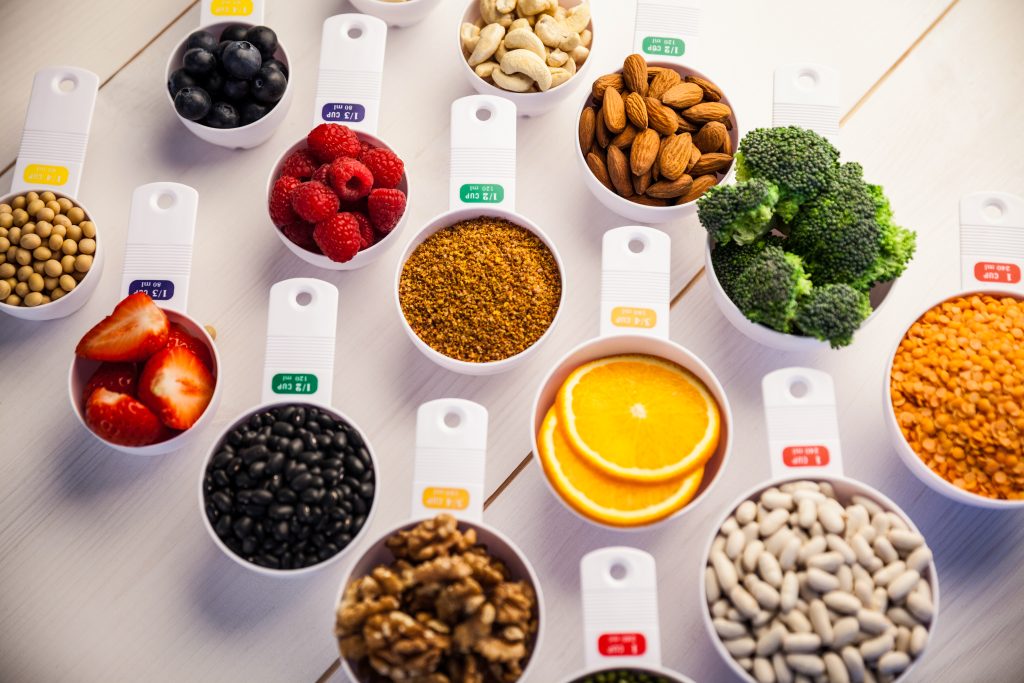
The choices we make about food play a huge role in how we age. As the population gets older, the need for clear nutritional advice grows. Smart nutrition can lead to better health, increased vitality, and a sharper mind. Understanding how our bodies change with age helps us choose foods that keep us strong, active, and happy.
The Aging Population and Growing Need for Nutritional Guidance
Today, more people than ever are over 65, and this number is only going up. With aging comes unique health challenges, including a higher risk for chronic diseases. Good nutrition can prevent these issues, leading to a better quality of life.
Age-Related Nutritional Changes and Their Impact
As we age, our dietary needs shift. We might need fewer calories but more nutrients. Aging can also bring changes in taste and smell, making food less appealing. This can lead to poor eating habits, which may harm overall health.
Setting the Stage: Why Nutrition Matters Most in Later Life
Nutrition in later years is not just about staying thin; it’s about thriving. The right foods can boost energy, keep bones strong, and maintain a sharp mind. Proper nutrition can even enhance the immune system, helping to fend off illnesses.
Macronutrients: Building Blocks of Healthy Aging
Protein: Maintaining Muscle Mass and Strength
As we age, preserving muscle mass is crucial. Protein helps maintain strength and mobility.
Recommended Daily Protein Intake for Older Adults
Older adults should aim for about 1.0 to 1.2 grams of protein per kilogram of body weight daily.
Practical Tips for Increasing Protein Consumption
Carbohydrates: Fueling Energy and Brain Function
Carbs provide energy for daily activities and brain function.
Choosing Complex Carbohydrates Over Simple Sugars
Opt for whole grains, fruits, and vegetables instead of sugary snacks.
Managing Blood Sugar Levels Through Diet
Healthy Fats: Supporting Brain Health and Reducing Inflammation
Healthy fats are key for brain health.
The Importance of Omega-3 Fatty Acids
These fats are essential for brain function and can lower inflammation. They can be found in fish like salmon, flaxseeds, and walnuts.
Incorporating Healthy Fats Into Your Daily Diet
Micronutrients: Essential Vitamins and Minerals for Vitality
Vitamin D: Bone Health and Immune Function
Vitamin D is vital for strong bones and a healthy immune system.
Vitamin D Deficiency in Older Adults: Prevalence and Risks
Many older adults don’t get enough vitamin D, leading to risks like osteoporosis.
Sources of Vitamin D and Supplementation
Calcium and Vitamin K2: Maintaining Strong Bones
Strong bones are essential as we age.
The Synergistic Effect of Calcium and Vitamin K2
These nutrients work together to strengthen bone density.
Dietary Sources and Potential Supplements
B Vitamins: Cognitive Function and Energy Production
B vitamins are crucial for brain health and energy.
The Role of B Vitamins in Age-Related Cognitive Decline
These vitamins help keep the mind sharp and reduce fatigue.
Food Sources Rich in B Vitamins
Hydration: The Often Overlooked Essential
Staying hydrated is sometimes forgotten but is vital for health as we age.
Water Intake and Age-Related Changes
Older adults often feel less thirsty, yet they still need plenty of fluids.
Signs of Dehydration in Older Adults
Strategies for Maintaining Adequate Hydration
Electrolyte Balance: Supporting Physical Function
Electrolytes help keep our bodies functioning correctly.
Electrolyte Loss and its Consequences
Dehydration can lead to a loss of essential electrolytes, affecting muscle function and coordination.
Replenishing Electrolytes Through Diet and Drinks
Combating Age-Related Nutritional Challenges
Sarcopenia: Loss of Muscle Mass and Strategies for Prevention
Sarcopenia is the gradual loss of muscle mass.
Resistance Training and its Impact on Muscle Mass
Engaging in strength training helps combat muscle loss.
Dietary Interventions for Preventing Sarcopenia
Ensure adequate protein intake and consider protein supplements if needed.
Osteoporosis: Protecting Bone Health Through Nutrition
Osteoporosis weakens bones and makes fractures more likely.
Calcium and Vitamin D’s Role in Osteoporosis Prevention
Together, these nutrients help maintain bone strength.
Lifestyle Modifications to Support Bone Health
Cognitive Decline: The Role of Nutrition in Brain Health
Good nutrition can influence brain health.
The Mediterranean Diet and Cognitive Function
This diet, rich in healthy fats, fruits, and vegetables, supports brain health.
Antioxidant-Rich Foods and Brain Health
Practical Strategies and Actionable Tips for Optimal Aging Nutrition
Meal Planning for Older Adults: Simple and Effective Strategies
Planning meals helps ensure balanced nutrition.
Sample Meal Plans Tailored to Specific Nutritional Needs
Tips for Making Meal Preparation Easier
Addressing Dietary Restrictions and Preferences
Dietary needs vary greatly among individuals.
Adapting Recipes to Individual Needs
Swap ingredients to meet specific health requirements.
Managing Food Allergies and Intolerances
Always read labels to avoid allergens and consult healthcare providers for advice.
Seeking Professional Guidance: Registered Dietitians and Nutritional Counseling
Consulting a dietitian can provide personalized advice. They can tailor a diet plan that meets your specific needs.
Conclusion: A Roadmap to Healthy and Vibrant Aging Through Nutrition
Nutrition is the cornerstone of healthy aging. Prioritizing essential nutrients can lead to a longer, more fulfilling life.
Key Takeaways: Essential Nutrients and Lifestyle Habits
Looking Ahead: The Ongoing Importance of Nutritional Well-being
Staying informed about nutrition and adapting as needed ensures continued health. Make nutrition a priority for a vibrant and energetic future.